The Global Gaming Expo is a three day trade show where gambling companies sell machines and software to each other. That is the simple version, and it stopped being accurate somewhere around Tuesday morning, because the most argued-about product at G2E 2026 is one that nobody on the floor is actually selling.
G2E gaming technology this year splits into three competing stories: prediction markets, artificial intelligence, and the usual parade of cabinets, content and payments gear. They are not equally important, and they are definitely not equally close to your account balance. Worth sorting out which is which.
The numbers behind the show floor
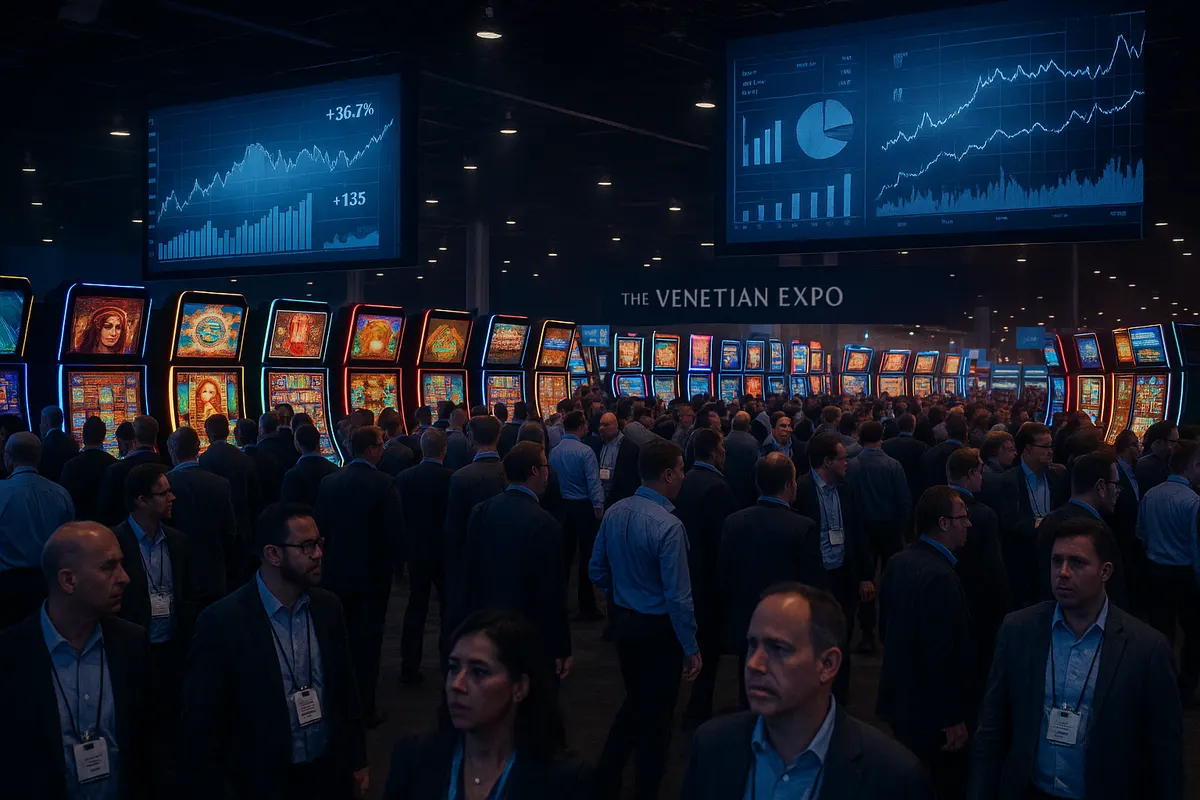
G2E 2026 opened its exhibition floor on Tuesday, September 29, at The Venetian Expo in Las Vegas and runs through October 1. Education sessions started the day before. The show is presented by the American Gaming Association and organised by RX.
Scale, in the organisers’ figures: more than 25,000 gaming professionals, more than 400 exhibitors, and attendees expected from more than 120 countries, regions and territories. Exhibits span casino gaming, iGaming, sports betting, payments, hospitality and back-office business technology. The expo floor opened at 10 a.m. Tuesday.
So it is big, it is global, and it is the week when roughly everything the industry plans to ship over the next year becomes visible at once. That part is routine. The prediction markets fight is not.
Prediction markets: the loudest item, and nobody is exhibiting it
The most closely watched issue at this year’s Las Vegas gaming expo is the growing presence of prediction markets in the US sports betting landscape. These are platforms where users trade contracts on the outcome of an event, which, if you squint, looks an awful lot like a bet on a game. Regulators in Nevada have argued exactly that: prediction-market operators are offering sports betting without complying with the state’s gaming framework.
Kalshi, one of the largest prediction-market operators in the US, is not exhibiting at G2E. Its business model and the regulatory dispute around it are expected to run through the conversation anyway, which is a neat summary of the industry’s position right now. The competitor is in the room without paying for a booth.
The programming reflects that. A Main Stage session titled “The Power of Unity: Confronting the Prediction Markets Challenge” brings tribal gaming representatives together over concerns about prediction markets, jurisdiction and the potential impact on tribal gaming. Tribal operators have a specific stake here, because their exclusivity and compacts are built on state-level frameworks that a federally regulated exchange sits outside of.
What this means in practice for a player: prediction markets are a legal and jurisdictional argument first and a product second. The outcome determines where you can legally stake money on a sports outcome and under whose consumer protection rules. Licensed sportsbooks have KYC, deposit limits, self-exclusion tools and state-mandated responsible gambling obligations. An exchange operating under a different regime does not automatically carry the same set. That gap is the entire fight, and it matters more than the interface.
AI in gambling: quieter, already shipping, mostly invisible
AI gets the most booth signage and the least drama. It is also the theme most likely to have already touched your account without you noticing, because the useful applications are unglamorous back-office work rather than anything you can see.
Where AI realistically sits in a regulated online operation:
- Identity and document checks during KYC, which is why verification that used to take days can clear in minutes.
- Fraud, bonus abuse and payment risk screening.
- Behavioural monitoring for signs of harmful play, feeding into affordability checks and intervention messaging. Several regulators now expect operators to detect risk markers, not just publish a helpline number.
- Customer support triage, where a model handles the first message and escalates anything involving money.
- Marketing and personalisation, which decides which game tiles and which promotions you see first.
Notice what is missing from that list. AI does not change game maths. A slot’s RTP is set by its paytable and reel weightings and certified before release; a model recommending that slot to you does not move the house edge by a basis point. If anyone at a trade show implies otherwise, they are selling marketing software, not gaming software.
The honest double edge: the same personalisation engine that surfaces a game you will like is also optimised to keep you playing. That is worth knowing when your lobby starts feeling suspiciously well tuned to your taste.
New casino technology: the slow, physical part
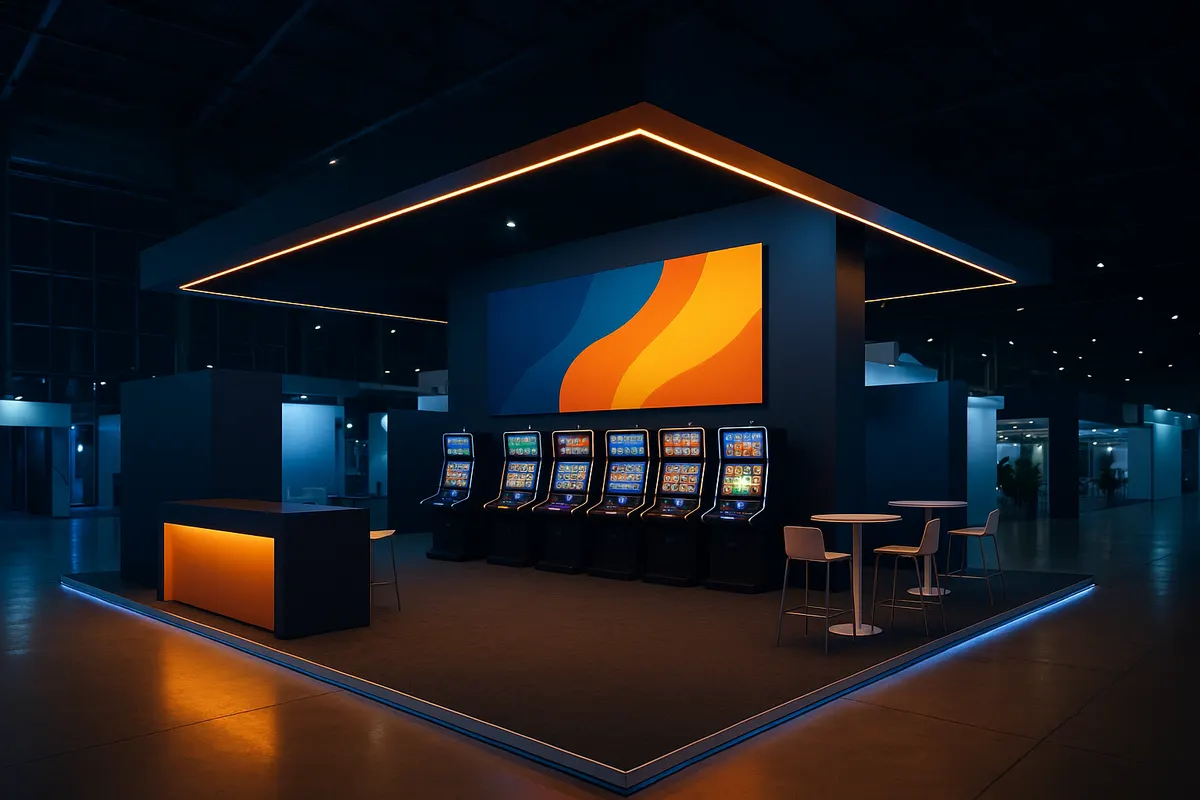
Then there is the hardware and content half of the floor, which is where most of the 400-plus exhibitors actually live. New cabinets, bigger screens, cashless and account-based wagering systems, payments rails, loyalty platforms, hospitality tech. This is the category with the longest lag between Las Vegas and your phone, because a cabinet on the show floor has to be bought, placed, approved and installed.
The crossover for online players comes through content and payments. Studios that build land-based titles port the successful ones to online lobbies, usually a year or two later, often with the mechanic intact and the maths recertified for the online market. Cashless systems matter because they normalise account-based play, instant transfers and the kind of spend tracking that ends up in responsible gambling tooling.
Which theme actually reaches your account
A straight comparison of the three G2E 2026 technology stories, on the metric that matters to a player rather than a buyer:
| Theme | What it actually is | Who is pushing it | What a player would notice | Time to reach online players |
|---|---|---|---|---|
| Prediction markets | Event contract trading that functions as sports wagering | Exchange operators, challenged by state regulators and tribal gaming | New places to stake on sport, under different rules and protections | Already live; the legal position is what is unsettled |
| AI in gambling | Automation in KYC, fraud, support, risk detection, personalisation | Operators and B2B suppliers | Faster verification, chat-first support, a lobby tuned to you | Already deployed, mostly invisible |
| New casino technology | Cabinets, content, cashless and payments systems | Equipment manufacturers and game studios | Land-based hits arriving as online slots; faster payment rails | Months to a couple of years |
The verdict
If you only track one of the three, track prediction markets. AI is the broader trend and the bigger line item in supplier budgets, but it reshapes how operators run rather than what you are allowed to do. New casino technology is real and will eventually show up as a game you play, just slowly. Prediction markets are the only one of the three that could redraw the map of legal online wagering in the US inside a single year, and the Nevada dispute plus the tribal gaming session tell you the industry knows it.
The less exciting read on online gaming trends out of this Las Vegas gaming expo: the technology is converging and the rulebooks are not. Whichever product reaches you first, the questions stay the same. Who licenses it, what consumer protections apply, and what the maths is. None of that gets better because the demo looks sharp.
FAQ
What is G2E and why does it matter?
G2E, the Global Gaming Expo, is the annual trade show for the regulated gambling industry, held at The Venetian Expo in Las Vegas. The 2026 edition runs September 29 to October 1, with over 25,000 professionals and more than 400 exhibitors. It matters because most of the products and regulatory arguments that shape the next year surface there first.
Are prediction markets the same thing as sports betting?
Functionally they are close enough that regulators are arguing about it. Nevada’s position is that prediction-market operators are offering sports betting without complying with the state’s gaming framework. The practical difference for players is which rules and consumer protections apply, not how the screen looks.
Can AI improve my chances of winning?
No. AI in gambling runs verification, fraud screening, support and personalisation. Game outcomes come from certified RNGs and fixed paytables, so the house edge is unchanged. A 96% RTP slot returns about 96% of wagers over the very long run whether or not an algorithm recommended it to you.
Gambling should stay entertainment, never a way to make money. Set deposit and loss limits, use cool-off or self-exclusion tools if play stops feeling optional, and seek support from a national helpline if it becomes a problem. 18+ (or the legal age in your jurisdiction).