Zitro’s FANTASY cabinet lands at Casino Buenos Aires
Have you ever played the same slot title on two different machines and found that one of them just felt better? That difference almost never comes from the game. It comes from the box the game is running on, and that is the single most underrated part of slot machine cabinet design: the hardware decides how the session feels, while the software decides what the session pays.
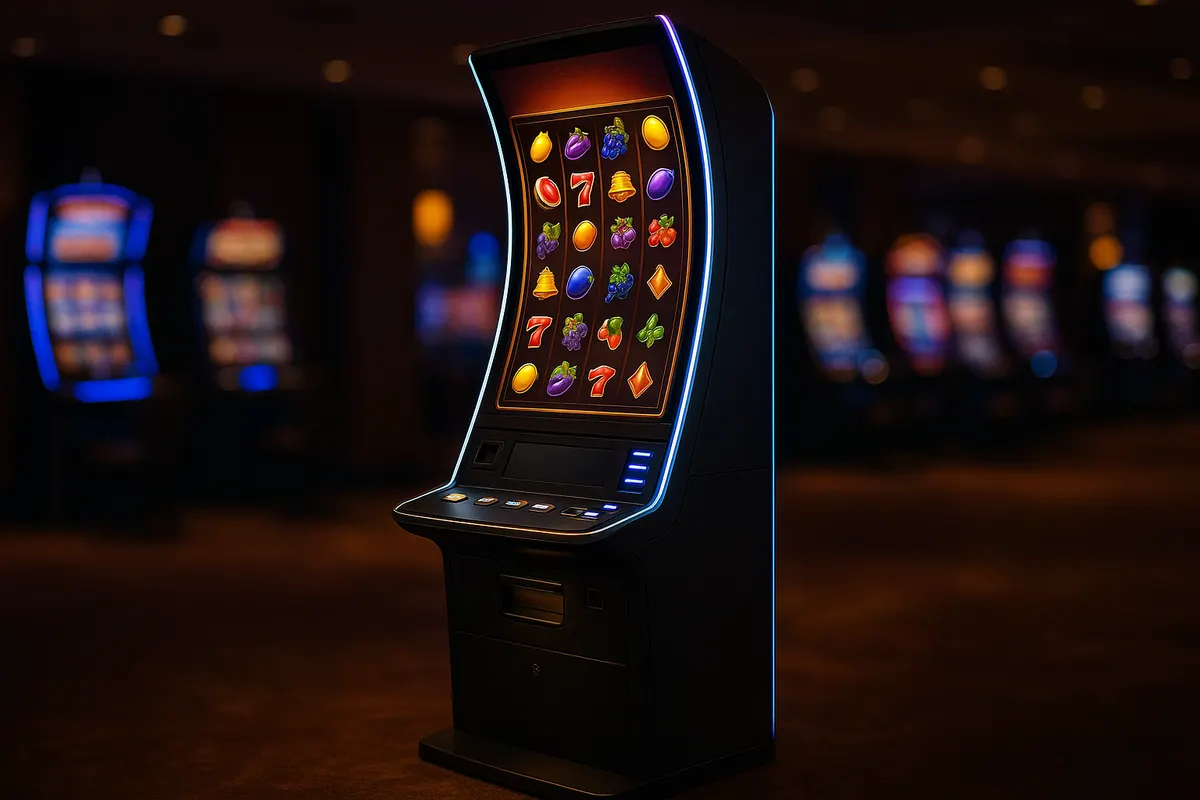
Zitro has installed its premium FANTASY cabinet at Casino Buenos Aires, loaded with the titles Brave Dragon and Lion Falls, following the regional launch of Legendary Hammer. The supplier describes FANTASY as one of the most successful cabinets in its portfolio, with a growing footprint among Latin American operators.
Darío Montero, General Manager of Casino Buenos Aires and Casino Buenos Aires Online, said the venue is “always looking to bring added value and entertainment to our offering,” adding that the cabinet “has been in high demand among our customers.” Alejandra Burato, Zitro’s Regional Director for Latin America, said FANTASY’s performance in Argentina has been driven by its game portfolio, and thanked Grupo Casino Club and Nortia for the partnership.
That is the news. The more interesting question for anyone who plays or operates slots is why a cabinet gets its own press release at all, and what a venue is actually buying when it buys hardware.
What is a slot machine cabinet, versus the game inside it?
A slot machine cabinet is the physical machine: the chassis, the screens, the button deck or touch panel, the speakers, the lighting, the seat or lean rail, the bill validator and the ticket printer. The games are separate products, software titles that run on the cabinet much like apps run on a phone.
This split matters more than most players realise. One title can be released across several cabinet families, and one cabinet can host dozens of titles over its life on the floor. When a supplier like Zitro talks about a cabinet’s “success,” it is talking about hardware that operators want to keep stocked with new content.
Here is the part worth repeating, because the marketing language around hardware can blur it: a cabinet cannot change a game’s math. RTP, volatility, hit frequency and the paytable are all defined in the game software and the certified RNG that drives it. A premium cabinet with a big curved display and a loud sound system does not pay more than a plain upright running the identical title and configuration. It only makes the experience of playing more comfortable, louder and more visible from across the room. The house edge is built into the software, not the furniture.
The hardware features that define a modern cabinet
Strip away the branding and most premium cabinets compete on four things: display, posture, sound and light.
Curved screens and display technology
Large curved displays have become the standard flex on the high-end floor, and the reasoning is straightforward. A curve wraps the edges of the picture slightly toward the player, so the distance from eye to screen is more even across the whole surface. On a tall portrait panel sat an arm’s length away, that reduces the sense of looking at a flat sheet and cuts down on off-axis glare from the ceiling lights above the floor.
Combine that with higher brightness and tighter pixel pitch, and symbol animation reads cleanly even in a brightly lit room. Display technology is also what makes modern bonus presentation possible: full-screen takeovers, multi-level feature meters and big progressive displays need the real estate.
Ergonomics and button layout
Cabinet ergonomics decide whether a machine is pleasant to sit at for twenty minutes. The variables are unglamorous and they all matter: seat height relative to the button deck, how far forward a player has to reach to spin, whether there is somewhere to rest a forearm, footrest position, and the angle of the lower screen against neck strain.
Button layout is its own discipline. Spin and bet controls want to sit under the dominant hand with no hunting, feature buttons want to be distinct by shape or position rather than colour alone, and a physical spin button still beats a touch target for repeated use because it gives tactile confirmation. Where a supplier gets this wrong, players notice within a minute and walk.
Audio and lighting systems
Sound on a premium cabinet is usually a multi-speaker setup, sometimes with transducers in the seat, tuned so the player hears their own machine clearly without needing volume that annoys the neighbours. Lighting works on two audiences at once. Edge and topper lighting signals across the floor that something is happening at this machine, which is the oldest attract mechanic in the business, while closer-range ambient light frames the screen and reacts to features.
What makes the FANTASY cabinet notable
Zitro positions FANTASY as a premium product with a distinctive look intended to make an impact on the gaming floor, and says its titles pair high-quality graphics with individual visual identities and separate gameplay mechanics. The Casino Buenos Aires install arrives with Brave Dragon and Lion Falls on board, with Legendary Hammer recently launched in the region.
Two things in that are genuinely informative rather than promotional. First, this is a multi-title platform: a venue buys the cabinet once and refreshes the content as Zitro releases new games, which is the economic argument for premium hardware in the first place. Second, Zitro’s own framing credits the games for the cabinet’s performance in Argentina, which is an unusually honest admission that content carries hardware, not the other way round.
What the announcement does not include is a published spec sheet, so I won’t guess at panel curvature, screen sizes or speaker counts for this model. If you want the verified hardware specifications, they belong to the manufacturer, and Zitro publishes its product range on its official site. What is confirmed here is the install, the titles, and the operator’s stated reason for taking it: customer demand.
How cabinet design shapes the player experience
Cabinet design works on attention and comfort, and both have measurable commercial consequences for a casino floor.
Attention comes first. Height, lighting and a recognisable silhouette determine whether a machine gets noticed at all in a room with hundreds of competitors. Once a player sits down, comfort takes over. A well-sorted seat and button deck let someone play without fidgeting, and a session that ends because a player’s neck hurts looks identical, in the daily report, to a session that ends because they stopped enjoying the game.
That is the honest reading of why operators pay a premium for hardware: better ergonomics and presentation tend to produce longer average sessions and higher earnings per unit per day. It is also exactly why this is worth understanding as a player. Comfort is engineered, immersion is engineered, and neither of them improves your odds by a single basis point. If a machine feels so good that you lose track of time, that is the design working as intended. Set a budget and a time limit before you sit down, use the deposit and session limits your operator offers, and treat the hardware as entertainment rather than as a signal about the game’s generosity.
From the floor to the phone: how cabinets shaped online slots
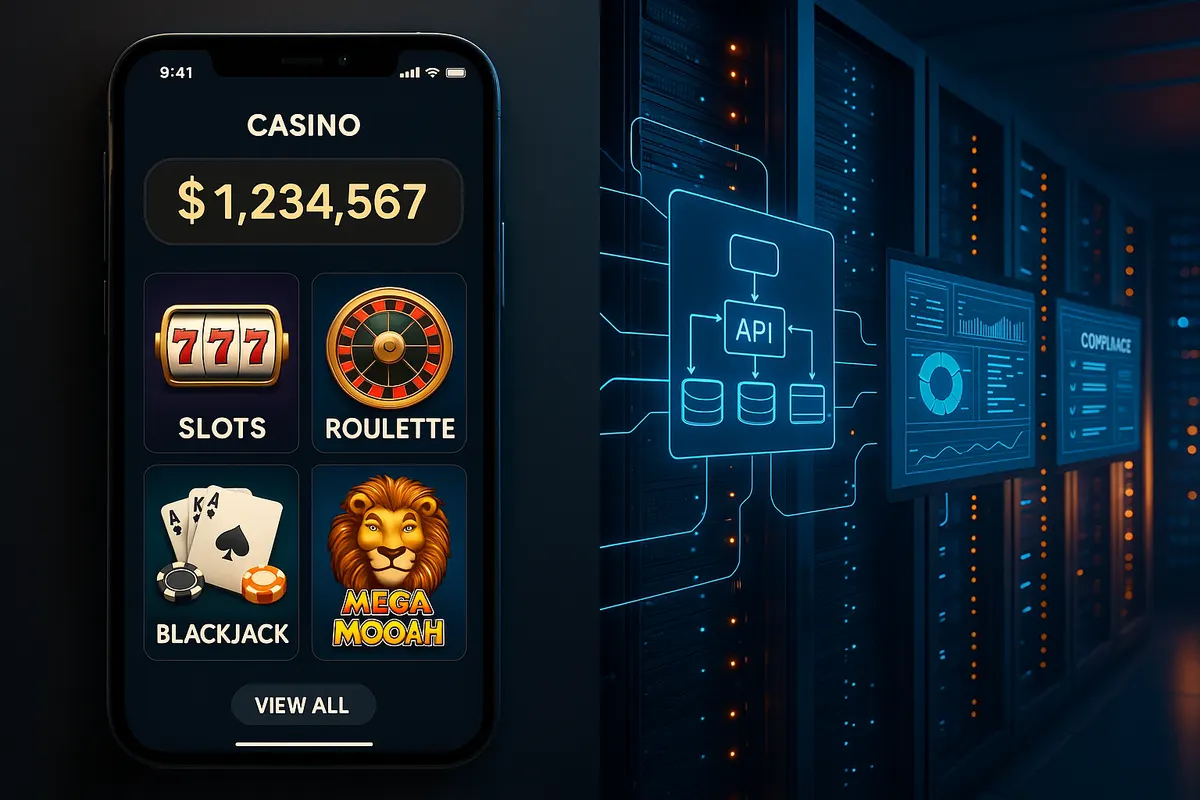
Open almost any mobile slot and you are looking at a translated cabinet. Online studios inherited the land-based vocabulary because players had already learned it, and the layout conventions map across with very little friction.
| Physical cabinet element | What it does on the floor | Online and mobile equivalent |
|---|---|---|
| Tall portrait main screen | Fits reels into an upright frame at seated distance | Portrait mobile layout with the reel grid centred |
| Physical spin button under the right hand | Repeatable action with tactile confirmation | Large circular spin control at the bottom right or centre |
| Separate button deck for bet and lines | Keeps staking controls out of the play area | Bet, autoplay and settings icons in a bottom toolbar |
| Credit and win meters | Constant balance visibility | Balance, bet and win fields fixed below the reels |
| Topper and edge lighting | Attract mode and feature signalling across the room | Animated lobby thumbnails and full-screen feature takeovers |
| Multi-speaker audio and seat transducers | Reel and win feedback at close range | Layered sound design mixed for phone speakers and headphones |
The influence runs both ways now. Online lobbies taught the land-based side about fast content rotation and data on which titles get abandoned in the first thirty seconds, which is part of why multi-title cabinets like FANTASY exist. Meanwhile physical hardware still sets the aspiration for presentation, and studios building for live dealer and crash-style games borrow the same tricks of framing, timing and audio punch.
Common questions about slot cabinets
How does cabinet design affect gameplay?
It affects comfort, visibility and presentation, not outcomes. Screen size and curvature change how readable and immersive the reels look, button layout and seat geometry change how tiring a session is, and lighting and sound change the emotional pacing of wins and features. The paytable, RTP and volatility are unchanged.
Why do casinos choose specific cabinets?
Operators weigh the content library available on the platform, the floor footprint and sightlines, earnings per unit per day compared with existing machines, service and parts support from the supplier, regulatory approval in the jurisdiction, and whether their own players are asking for it. Montero’s comment about high demand among customers is a textbook version of that last factor.
Can a better cabinet improve my chances of winning?
No. Every round is produced by a certified random number generator and the game’s configured math, so results are independent of the hardware and of previous spins. Over time, every slot keeps a house edge equal to 100% minus its RTP.
If you take one thing from the Buenos Aires install, make it this: cabinets are a comfort and attention product sold to operators, and understanding that separation between hardware and math is the fastest way to read slot marketing accurately, on a casino floor or in an app. If gambling stops feeling like entertainment, step away and use the self-exclusion or cool-off tools available on any licensed platform.